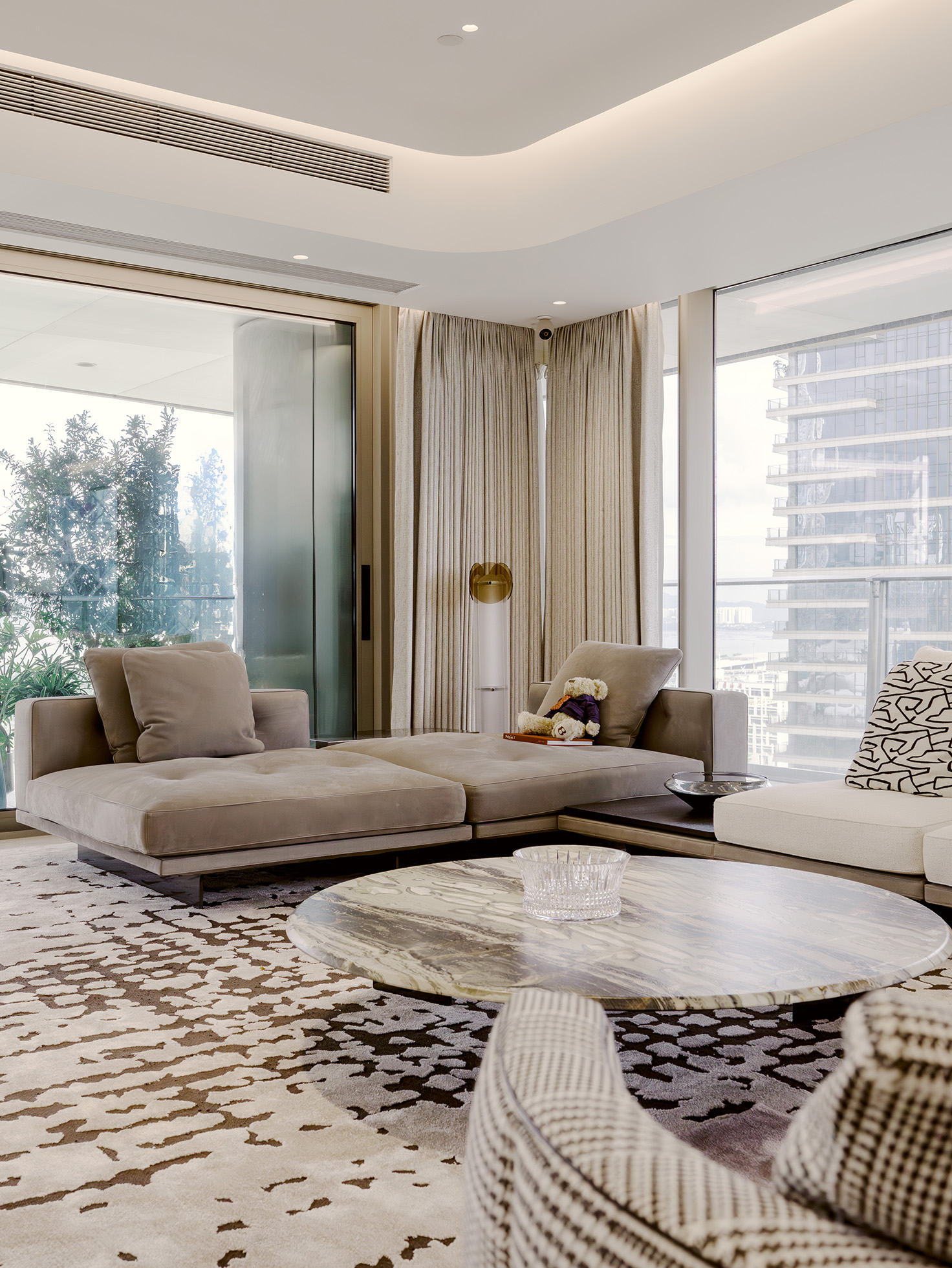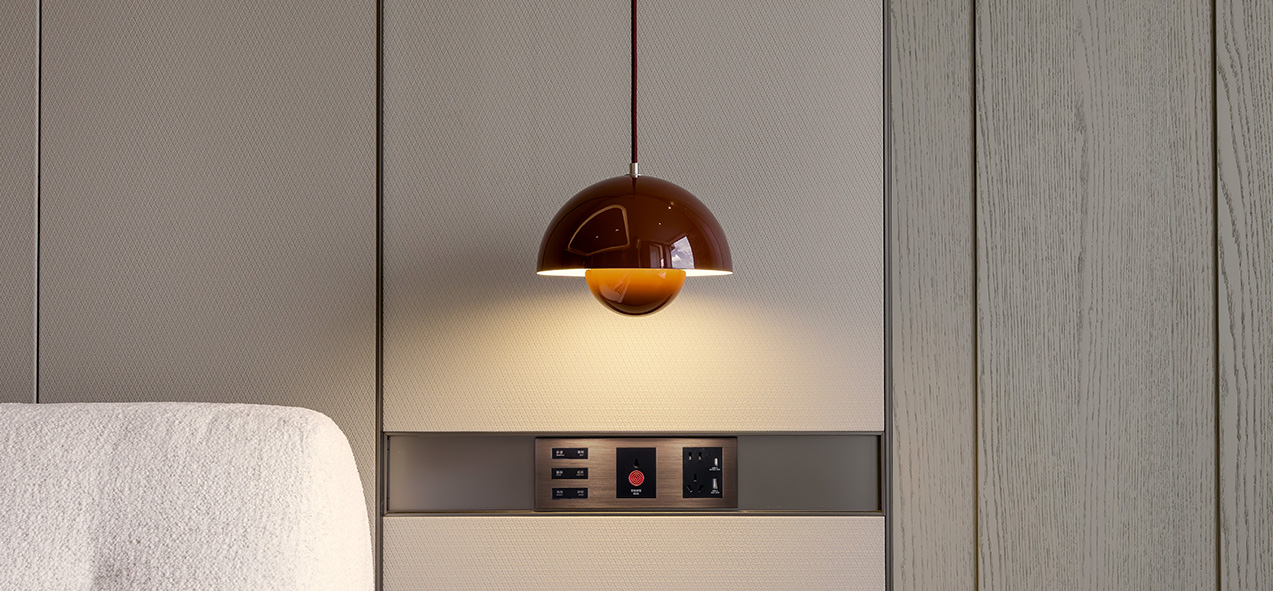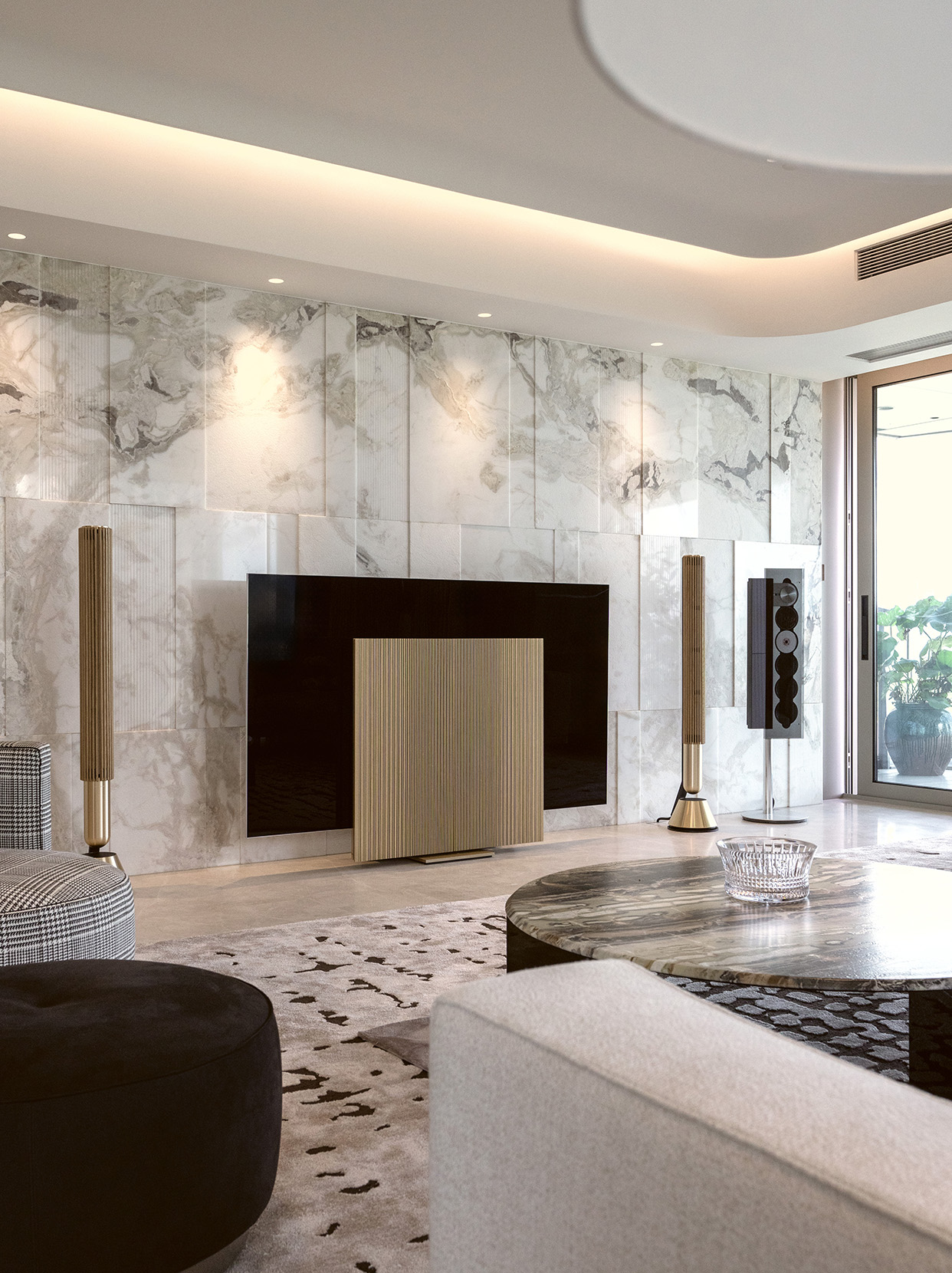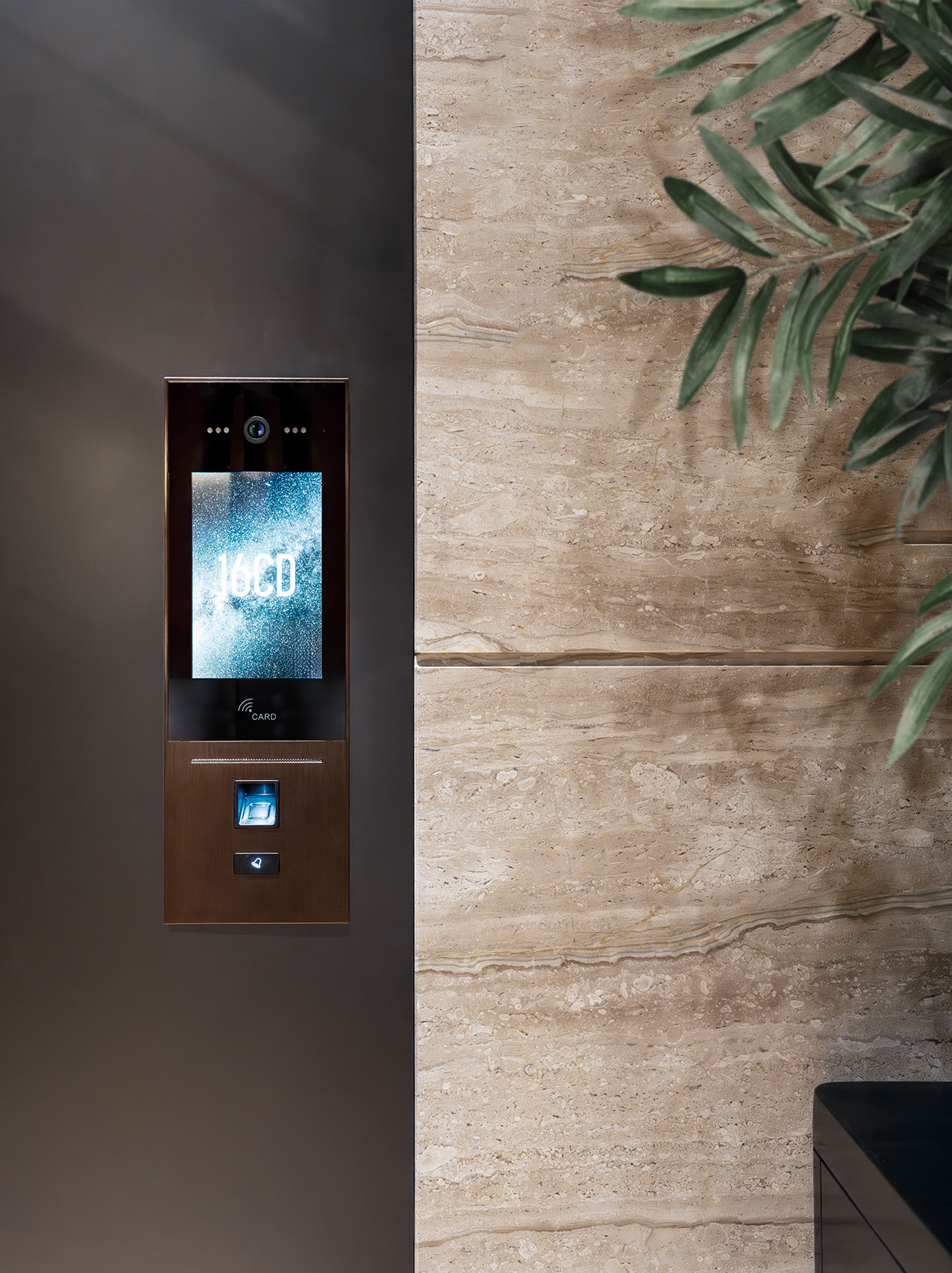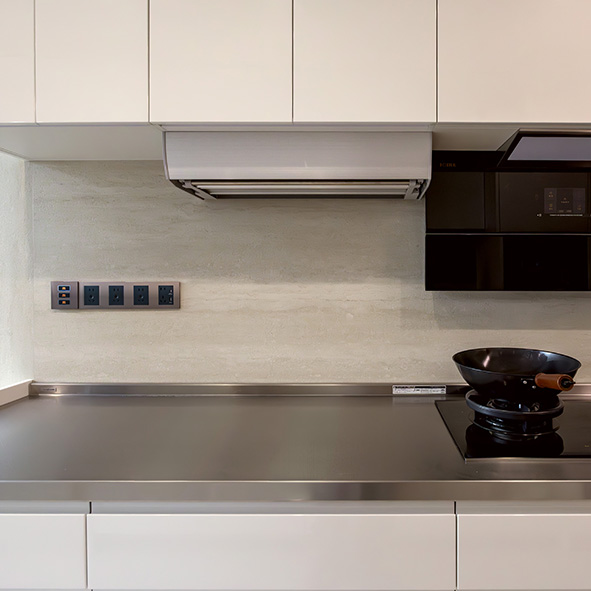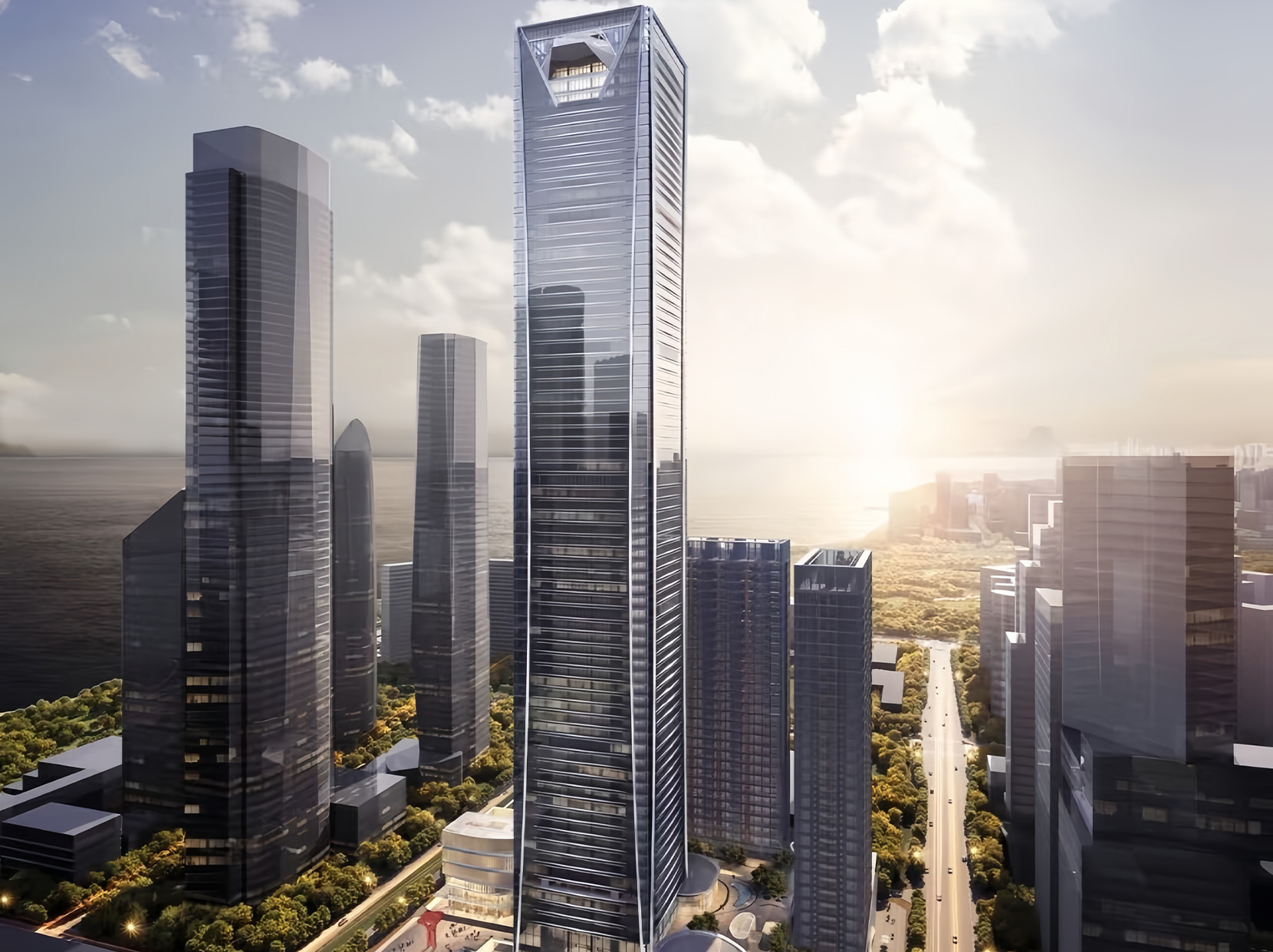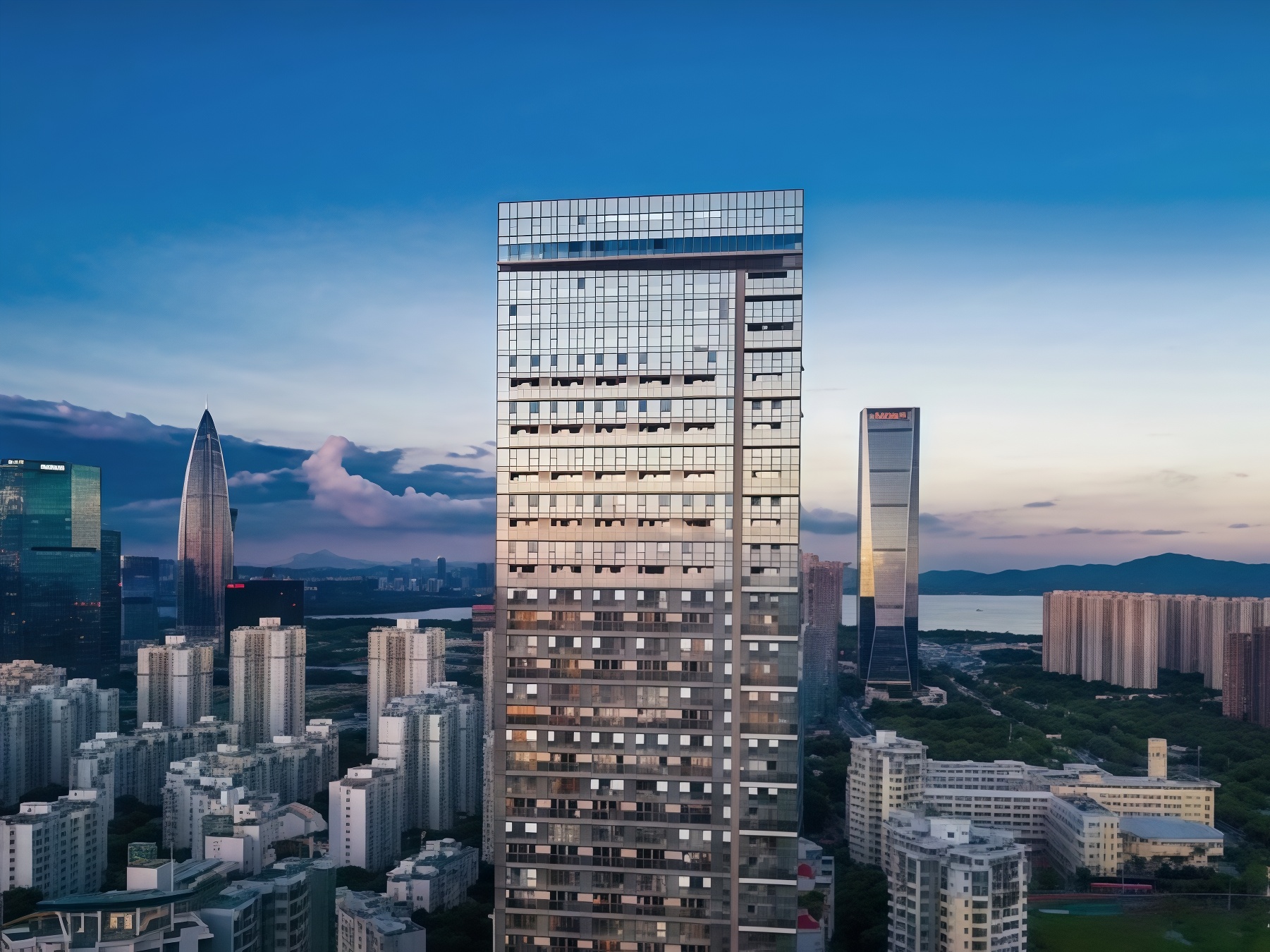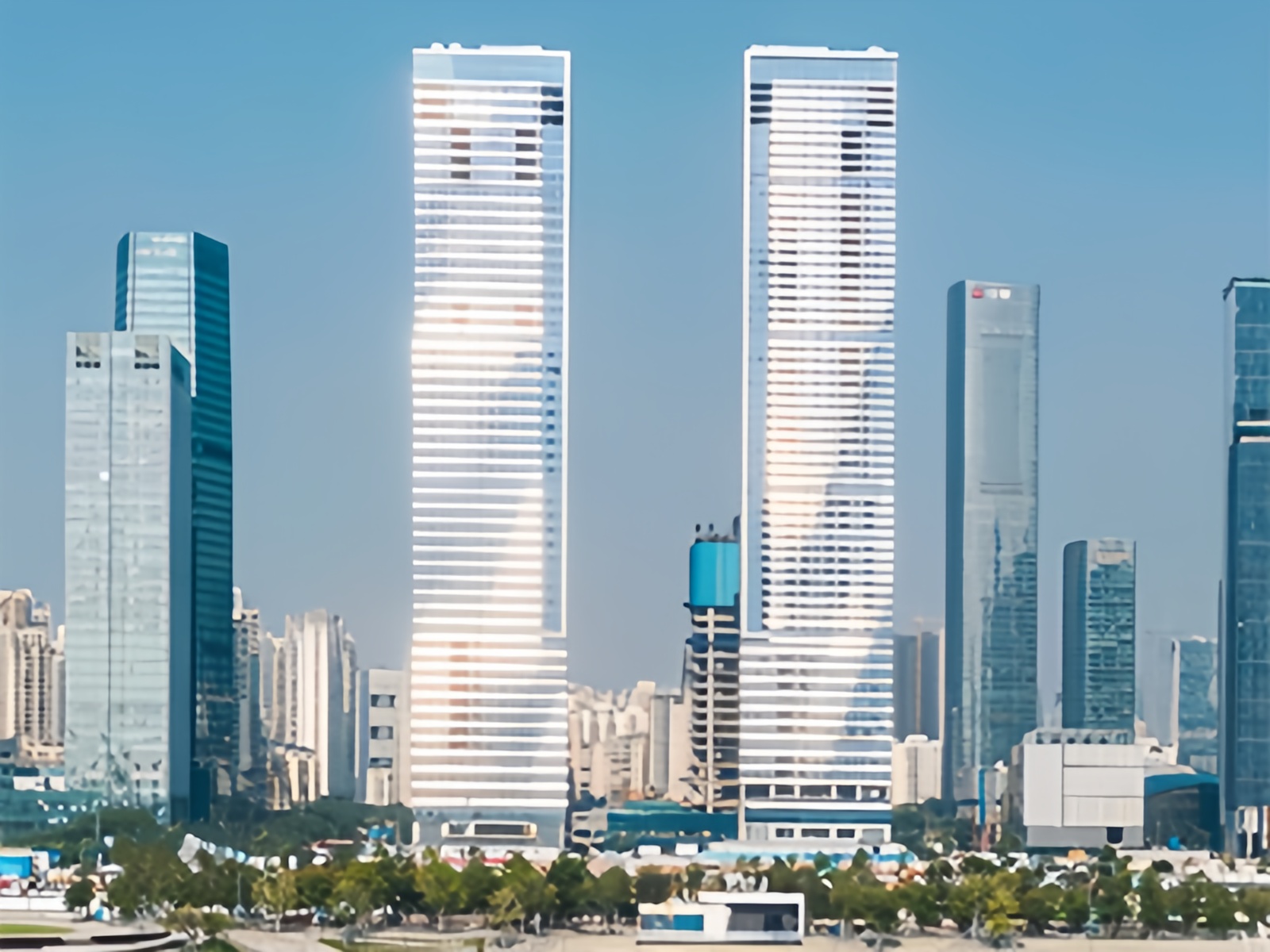




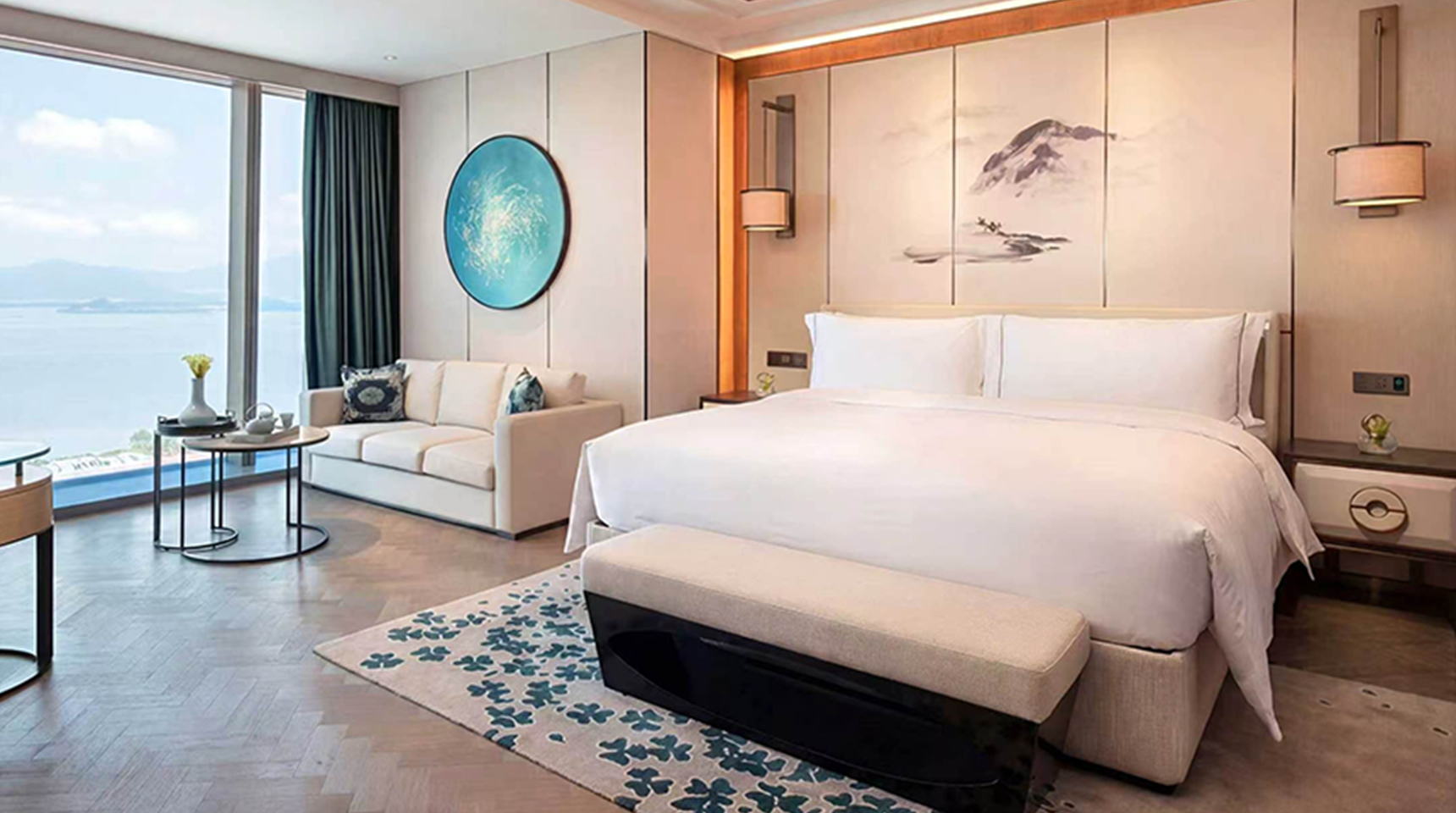






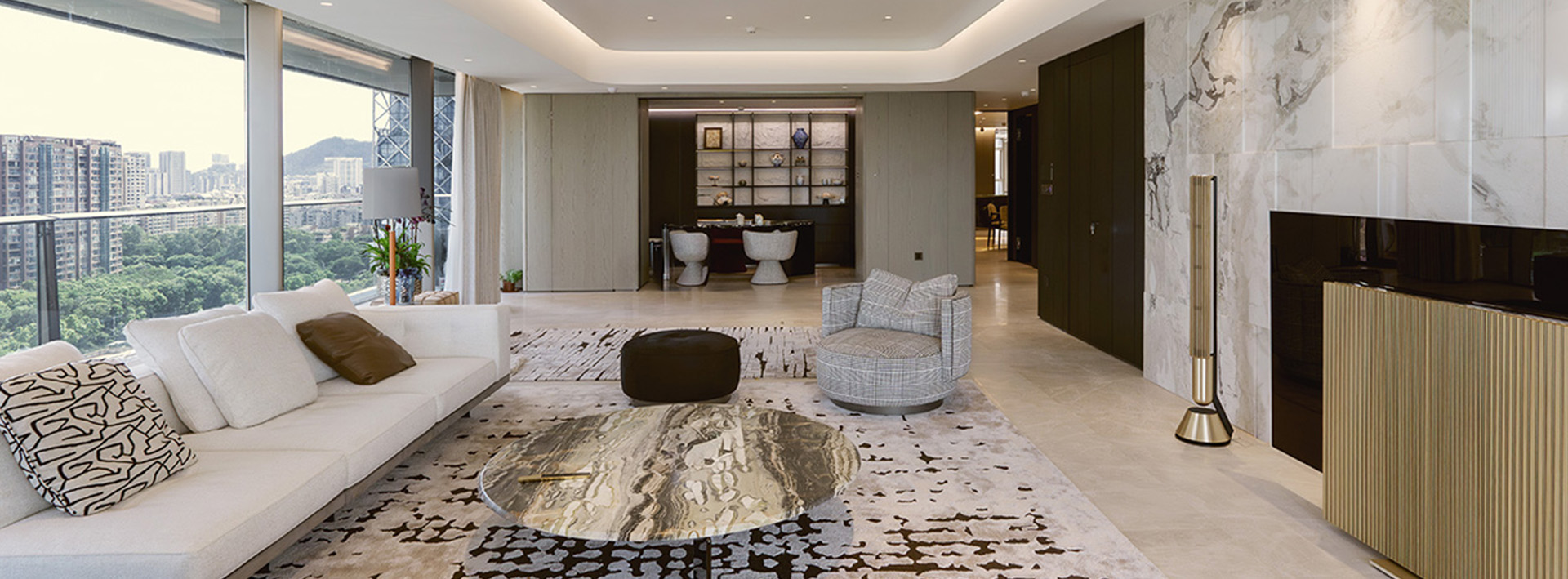
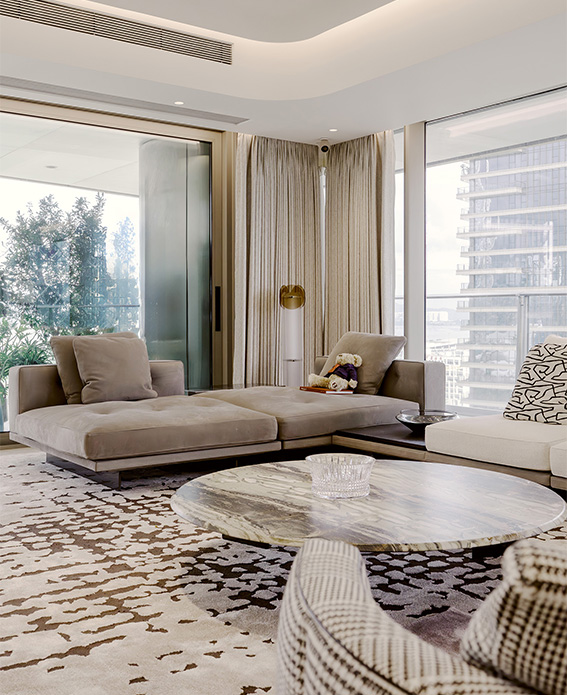


Shenzhen Bay One, a super-high-end urban complex in the Houhai area of Nanshan District, Shenzhen, integrates global business, top-tier apartments, luxury hotels, and leading commercial facilities. It has won the highest award for five-star apartments and the Best Complex Award in the Asia-Pacific region of international real estate, setting a benchmark for luxury residences in the Greater Bay Area.
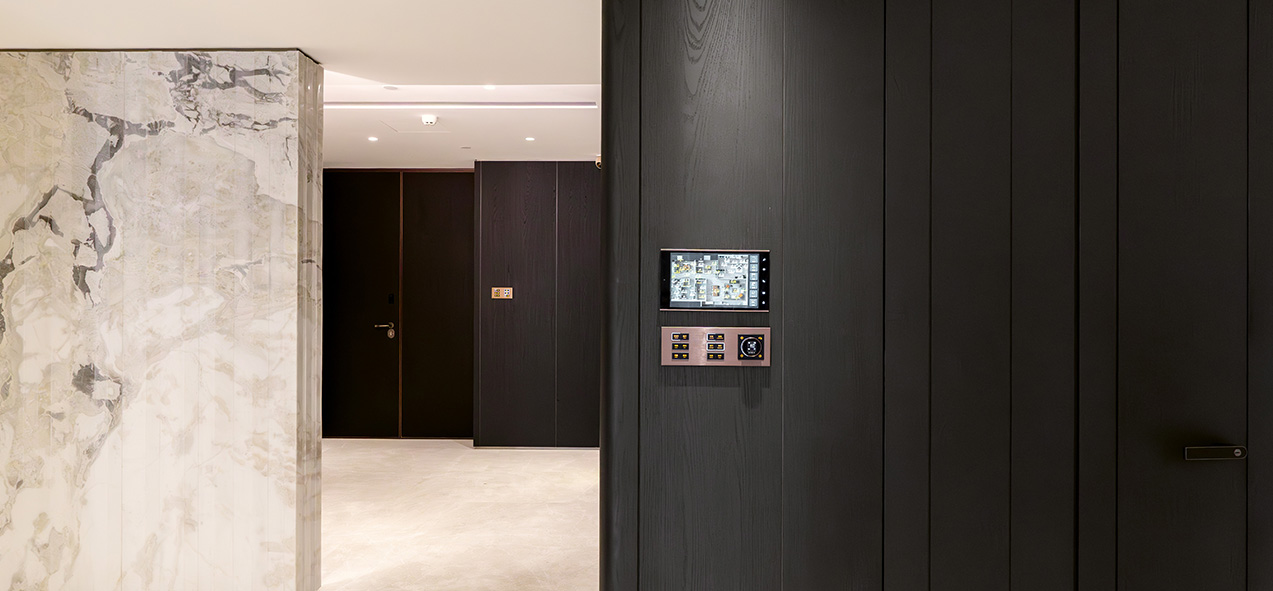
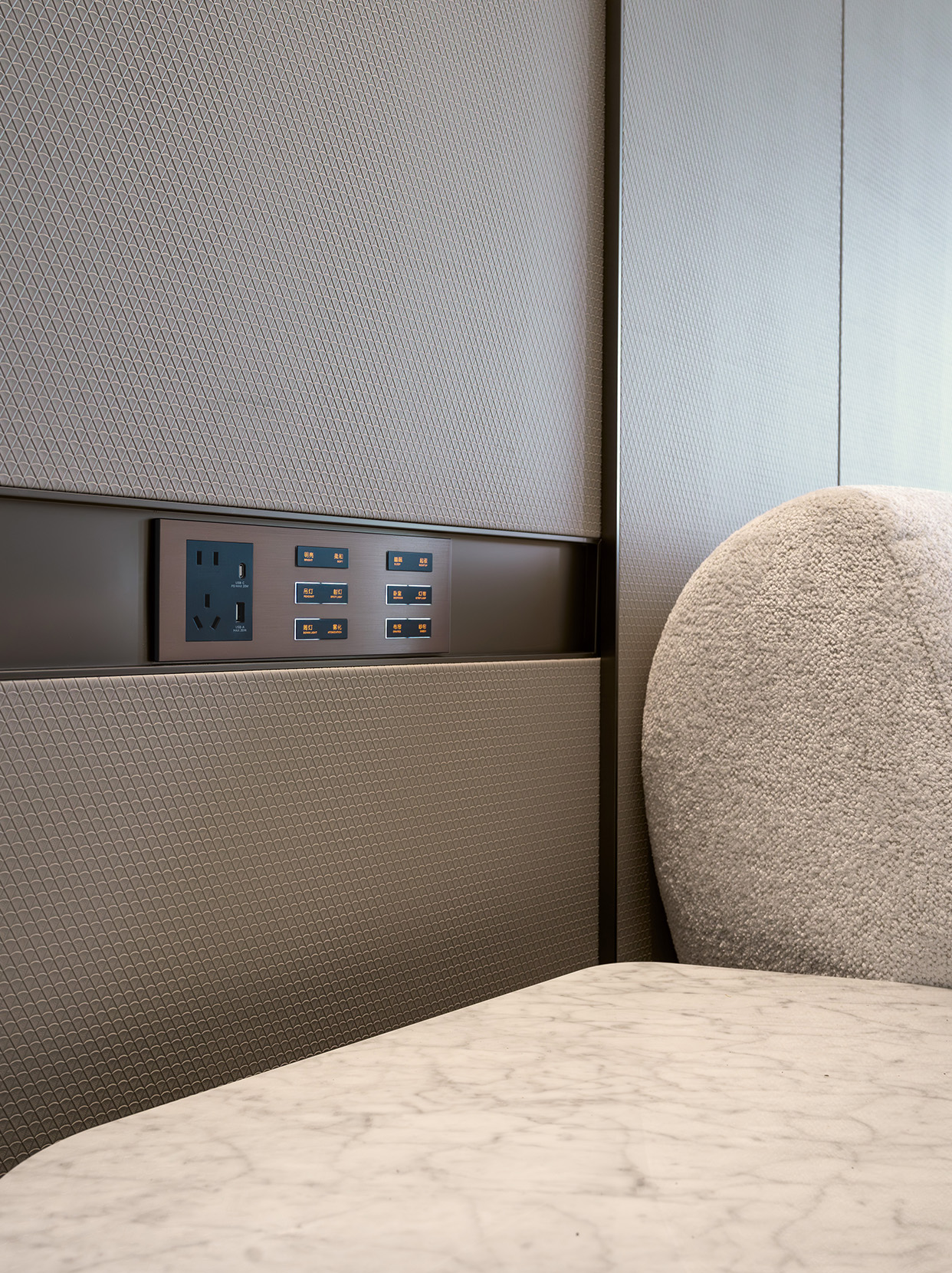
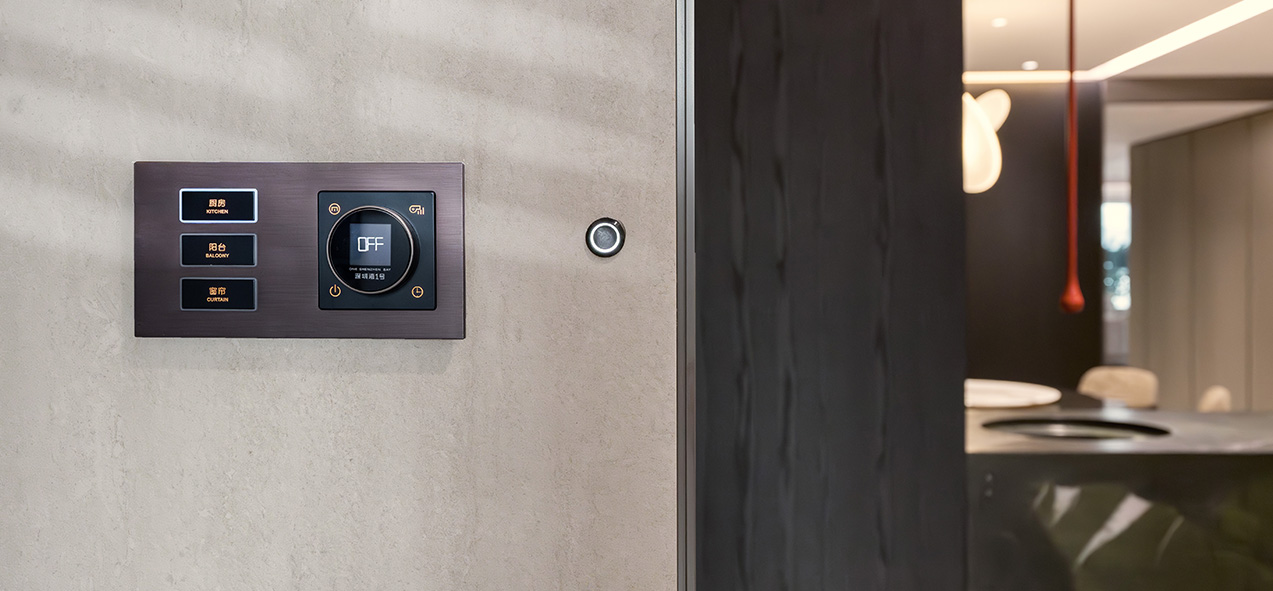
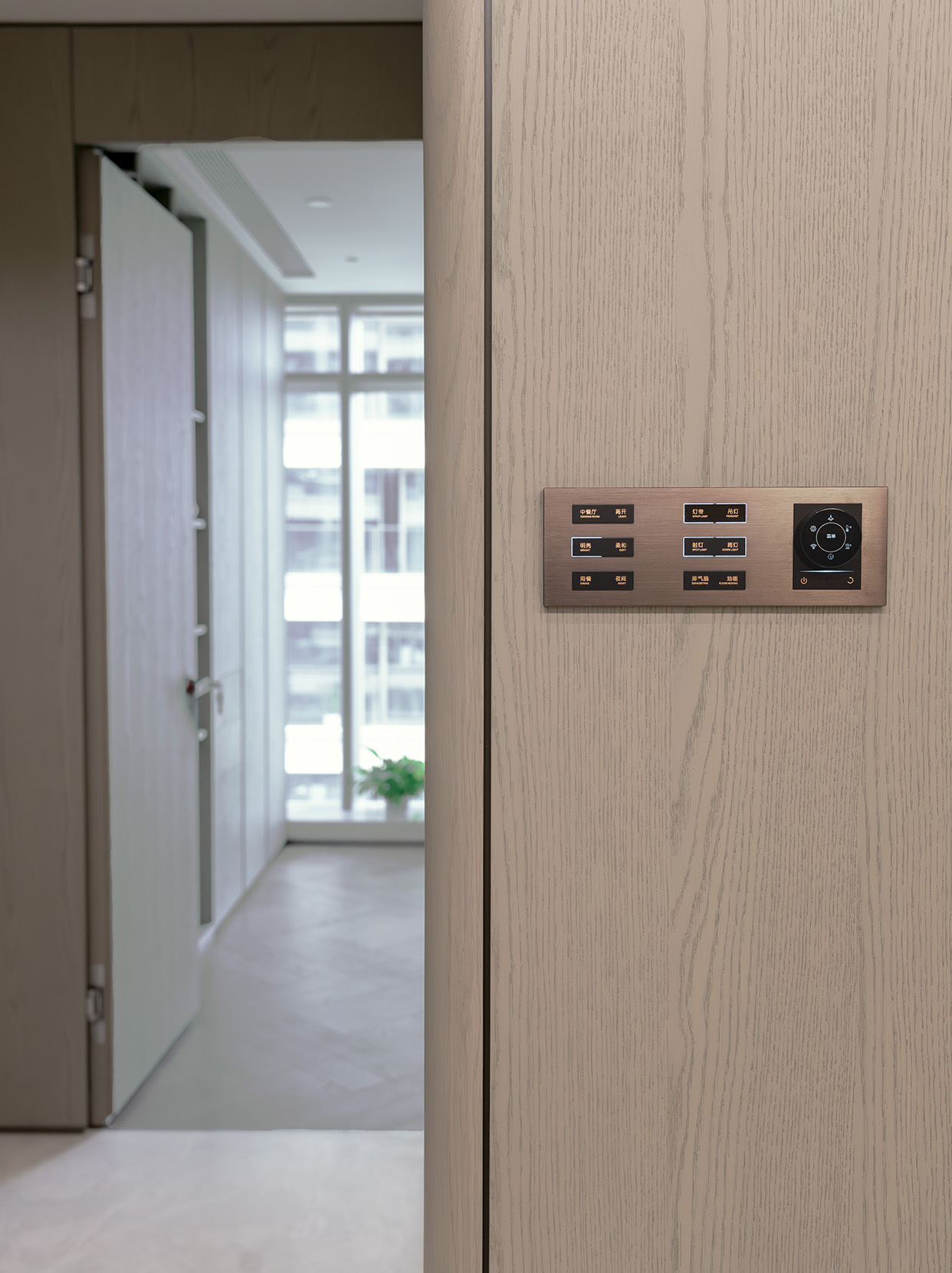
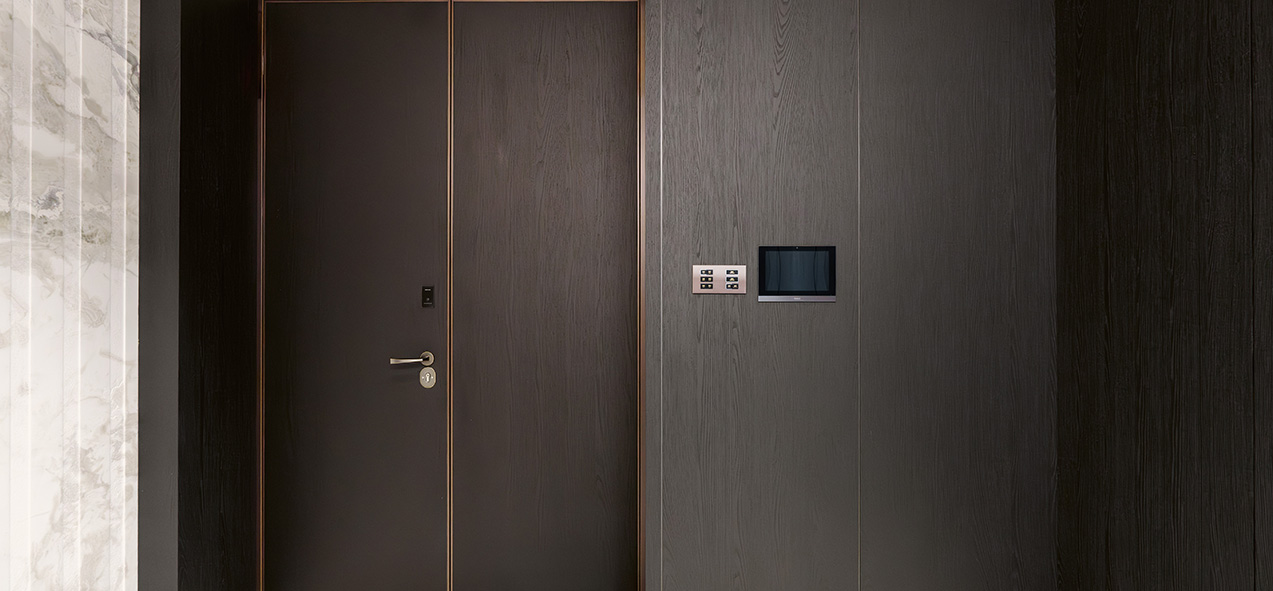
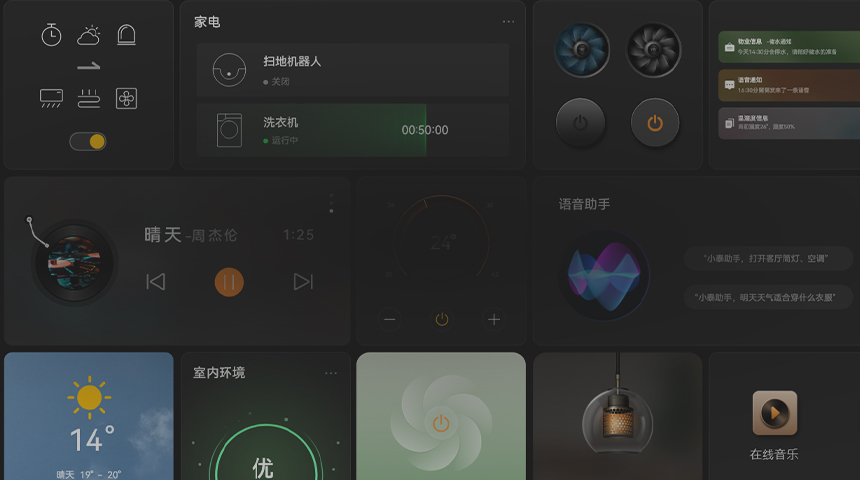
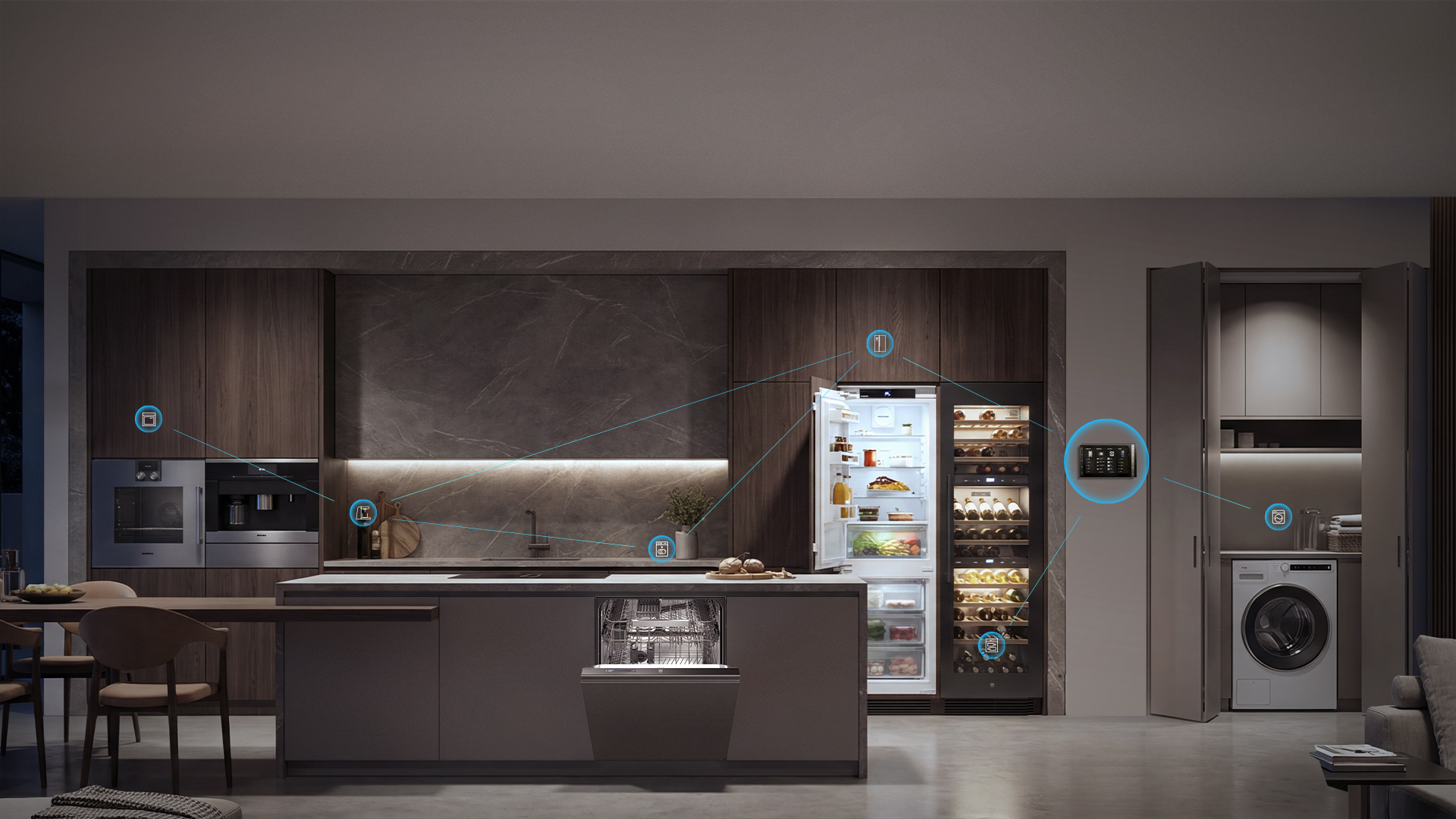
TANTRON Technology undertook the intelligent system construction for its 334 sea-view apartments. Based on the positioning of a top-tier luxury community, it customized and developed a multi-device integrated central system, achieving millisecond-level linkage control of lighting, electric curtains, air conditioning, fresh air systems, and electric windows. The wall-mounted smart panels have built-in CO₂/VOC dual sensors to continuously monitor and optimize indoor air quality. The project's solution innovatively adopts microwave radar human body sensing technology: when a user approaches within 0.8 meters of the panel, the backlight automatically wakes up and pushes an environmental health index, switching to a low-light guidance mode at night. Actual testing showed that the system's device response speed is improved by 40%, and the false trigger rate is lower than the industry average of 60%. As the first environmentally sensing intelligent control system for high-end residences in South China in 2018, its "seamless interaction + proactive health" design concept remains its core competitiveness.
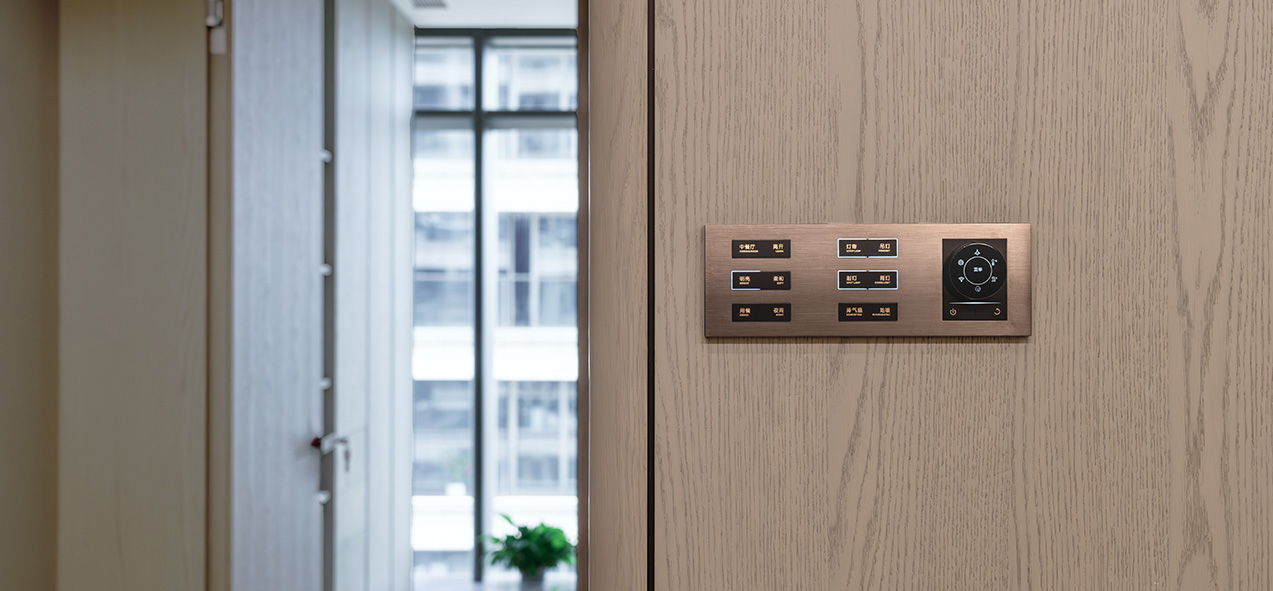
The project's core achievement—the intelligent rotary knob screen panel—has been granted a national invention patent (ZL201510535586.6). It pioneered the KKDinone® dual-control intelligent display integration technology, driving the upgrade of home control terminals from touch control to three-dimensional interaction. This panel integrates environmental sensing, device control, and health guidance functions, enabling precise one-handed blind adjustment of parameters such as temperature, humidity, and fresh air volume through a rotary-pressing composite operation.
An innovative "spatial health digital twin" model was constructed, using a sensor network to track 18 indoor health indicators in real time, dynamically optimizing environmental quality in conjunction with the air conditioning and fresh air systems. This technological system helped the project achieve both WELL Building Gold pre-certification and LEED Gold certification, with the air quality score improving by 27% compared to the benchmark value, making it a model of healthy and smart housing in South China.